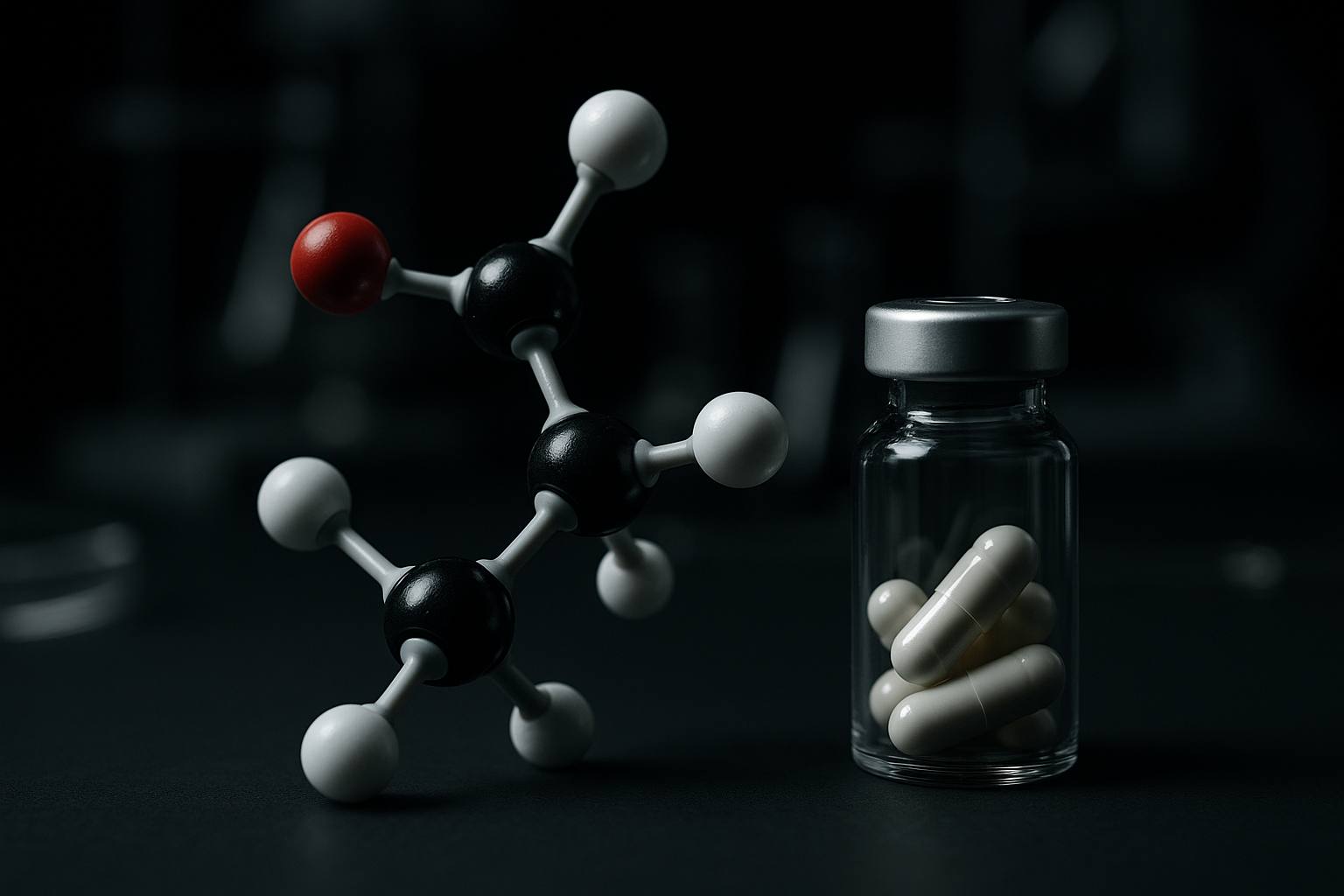
Valine
Valine is an essential amino acid: the human body cannot synthesize it and must obtain it through the diet. It is one of the three BCAAs (along with leucine and isoleucine) and is involved in protein turnover, energy metabolism, and nitrogen balance. In the “recovery” field, interest comes mainly from studies on BCAAs or EAAs (essential amino acids) rather than on valine alone.
Essential branched-chain amino acid (BCAA) often associated with muscle recovery and energy metabolism
Valine is an essential amino acid: the human body cannot synthesize it and must obtain it through the diet. It is one of the three BCAAs (along with leucine and isoleucine) and is involved in protein turnover, energy metabolism, and nitrogen balance. In the “recovery” context, interest stems mainly from studies on BCAAs or EAAs (essential amino acids) rather than on valine in isolation.
Mechanism of action
Valine acts primarily as: (1) a substrate for protein synthesis and protein turnover; (2) a glucogenic amino acid, indirectly contributing to metabolic intermediates (via catabolism to succinyl-CoA) and therefore to energy metabolism; (3) a component of BCAA metabolism: transamination (BCAT) and oxidative decarboxylation (BCKDH), with the production of intermediates that can be used in the Krebs cycle. In the context of recovery, the effect attributed to BCAAs includes a potential reduction in proteolysis and modulation of the perception of fatigue/DOMS; however, leucine is the main anabolic signal (mTORC1), while valine contributes mainly as a substrate and to the overall balance of EAAs.
Supported benefits
- Support for muscle recovery and reduction of some markers of damage/DOMS when taken as part of BCAA or EAA blends (not specific to valine alone) (moderate)
- Contribution to the maintenance of nitrogen balance and protein synthesis as an essential amino acid (effect dependent on the adequacy of all EAAs and total protein intake) (strong)
- Possible reduction in the perception of central fatigue in some contexts with BCAAs (hypothesis of competition with tryptophan for transport to the CNS), with mixed results (limited)
Safety & side effects
- Gastrointestinal disturbances (nausea, cramps, diarrhea), especially with high doses of free amino acids or intake on an empty stomach
- Possible alteration of the plasma amino acid profile due to competition among BCAAs/LNAAs (variable clinical relevance)
- In predisposed individuals or those with rare metabolic disorders, excess BCAAs may worsen metabolic imbalances
FAQ
Does valine alone improve recovery?
The strongest evidence on recovery concerns complete proteins, EAAs, or BCAA blends. Valine alone has been little studied for recovery outcomes; its role is primarily that of an essential amino acid/substrate within a complete amino acid profile.
Why are BCAAs often used instead of proteins?
BCAAs are popular for convenience and marketing, but net protein synthesis requires all essential amino acids. In many cases, complete proteins or EAAs are more physiologically consistent.
Is valine “energizing”?
It is a glucogenic amino acid and can contribute to metabolic intermediates, but during exercise the main energy source remains carbohydrates and lipids; the practical impact of valine as a “fuel” is generally secondary.
Are there risks in taking a lot of BCAAs?
High doses may increase gastrointestinal disturbances and alter amino acid balance. In rare metabolic conditions (e.g., MSUD) or in the presence of kidney/liver disease, use may be risky and requires supervision.
The information provided is for informational and educational purposes only. It does not constitute medical advice. Use must be evaluated and authorized by a qualified healthcare professional.
Mechanism of action
Valine acts primarily as: (1) a substrate for protein synthesis and protein turnover; (2) a glucogenic amino acid, indirectly contributing to metabolic intermediates (via catabolism to succinyl-CoA) and therefore to energy metabolism; (3) a component of BCAA metabolism: transamination (BCAT) and oxidative decarboxylation (BCKDH), producing intermediates that can be used in the Krebs cycle. In the context of recovery, the effect attributed to BCAAs includes a potential reduction in proteolysis and modulation of the perception of fatigue/DOMS; however, leucine is the main anabolic signal (mTORC1), while valine contributes primarily as a substrate and in the overall balance of EAAs.
Scientific benefits
Contraindications
- Maple syrup urine disease (MSUD) or other defects in BCAA catabolism: practical contraindication to unsupervised supplementation
- Pregnancy and breastfeeding: insufficient data for targeted supplementation with valine alone; professional evaluation required
- Liver or kidney disorders: the use of free amino acids at high doses requires caution and clinical supervision
Side effects
- Gastrointestinal disturbances (nausea, cramps, diarrhea), especially with high doses of free amino acids or intake on an empty stomach
- Possible alteration of the plasma amino acid profile due to competition among BCAAs/LNAAs (clinical relevance varies)
- In predisposed individuals or those with rare metabolic disorders, excess BCAAs may worsen metabolic imbalances
Interactions
- Levodopa: neutral amino acids may interfere with absorption/transport (competition at the intestinal level and/or blood-brain barrier); dietary/pharmacological management should be discussed with a clinician
- Hypoglycemic drugs/insulin: BCAAs may influence metabolism and insulin secretion in some contexts; clinical relevance varies, caution in people with diabetes
- Other supplements high in amino acids (EAAs/BCAAs/proteins): risk of overall excess and greater likelihood of gastrointestinal effects
Regulatory status
Generally marketed as a dietary supplement (L-valine) and as a component of BCAA/EAA blends. Health indications/claims are regulated and vary by country; in general, it is not permitted to attribute properties of preventing or treating diseases.
Supplements and peptides
 Recovery
Bcaa
BCAAs (branched-chain amino acids) are three essential amino acids—leucine, isoleucine, and valine—particularly…
 Recovery
Complete electrolytes
“Complete electrolytes” refers to formulations that mainly combine sodium (Na+), potassium (K+), chloride (Cl−),…
 Recovery
EAA (essential amino acids)
EAAs (Essential Amino Acids) are the 9 amino acids that the human body cannot synthesize in sufficient quantities and…