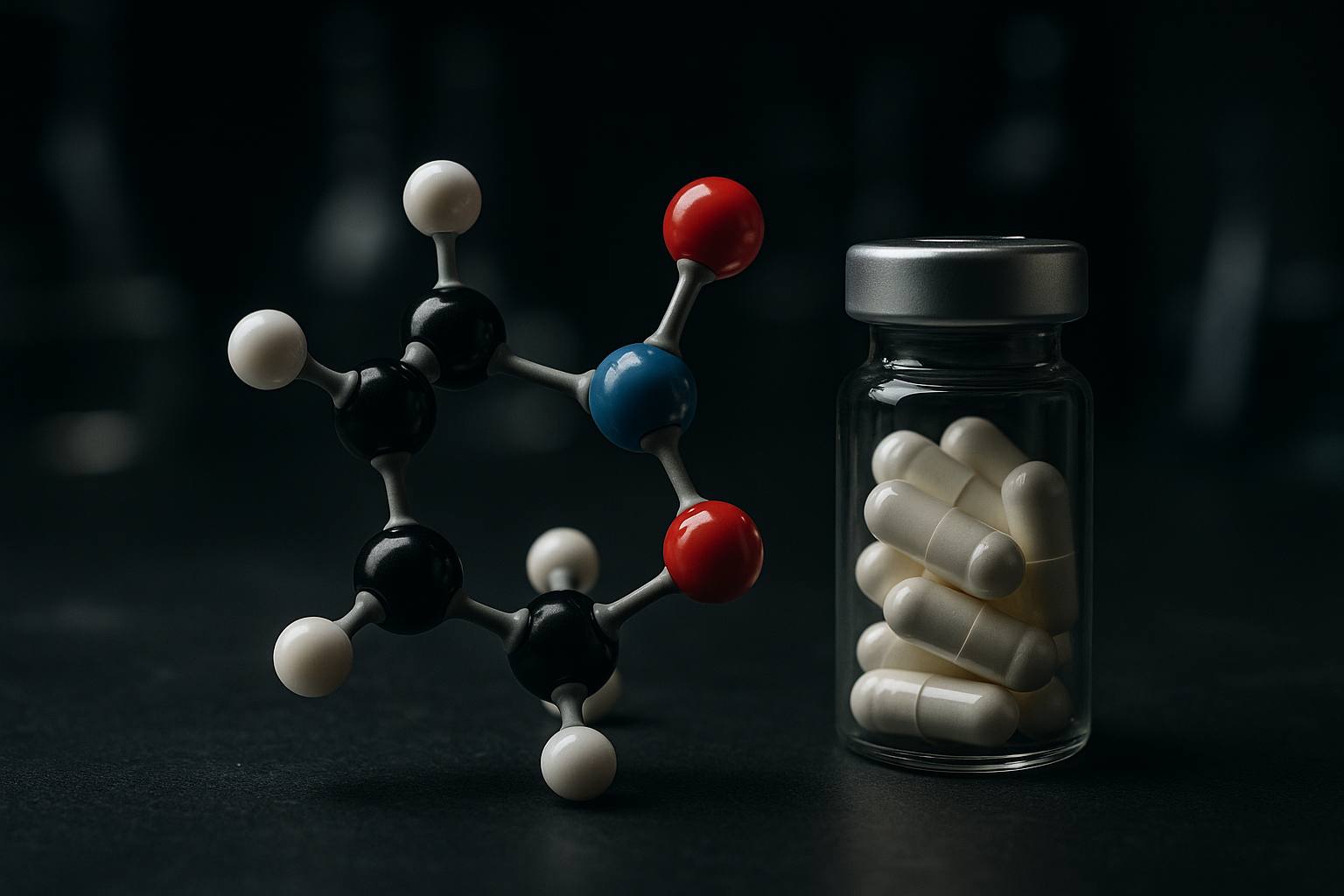
Acetyl l-carnitine
Acetyl-L-carnitine (ALCAR) is a form of carnitine in which an acetyl group facilitates entry into tissues and the availability of acetyl-CoA. It is studied primarily for mitochondrial functions, energy metabolism, and the neurocognitive field; effects on sports performance are variable and often depend on context, duration, and nutritional status.
Acetylated derivative of L-carnitine: energy transport and neuro-metabolic support, with mixed evidence on performance
Acetyl-L-carnitine (ALCAR) is a form of carnitine in which an acetyl group facilitates entry into tissues and the availability of acetyl-CoA. It is studied primarily for mitochondrial function, energy metabolism, and the neurocognitive field; its effects on athletic performance are variable and often depend on context, duration, and nutritional status.
Mechanism of action
1) Mitochondrial transport of fatty acids: it supports the entry of long-chain fatty acids into the mitochondria (indirectly through the carnitine pool), promoting lipid oxidation in conditions where transport is limiting. 2) Acyl buffering: it contributes to maintaining the acyl-CoA/CoA ratio, potentially influencing metabolic flexibility and exercise tolerance. 3) Donation of acetyl groups: ALCAR may increase the availability of acetyl-CoA, with possible effects on energy metabolism and acetylcholine synthesis (relevant for cognitive functions). 4) Neuro-metabolic effects: it crosses the blood-brain barrier more effectively than L-carnitine; in models and clinical studies it is associated with modulation of neuronal metabolism, oxidative stress, and mitochondrial function. 5) Physiological limitations: carnitine uptake in muscle is regulated (OCTN2 transporter) and often does not increase substantially with oral supplementation alone; this may explain inconsistent performance results.
Supported benefits
- Reduction of some symptoms in peripheral neuropathies (e.g. neuropathic pain) and functional support in specific clinical contexts (moderate)
- Improvement in some cognitive domains/mental fatigue in selected populations (especially older adults or those with neuro-metabolic disorders), with variable results (moderate)
- Possible reduction in fatigue and improvement in perceived recovery in some studies, but with high heterogeneity (limited)
- Improvement in aerobic/anaerobic performance in healthy trained subjects: overall inconsistent results; any effects tend to emerge with prolonged protocols and conditions that favor increased intramuscular carnitine (limited)
Safety & side effects
- Gastrointestinal disturbances (nausea, cramps, diarrhea), often dose-dependent
- Headache in some individuals
- Insomnia/agitation if taken late or in sensitive individuals
- “Fishy” body odor (more typical with carnitine; also possible with ALCAR in some cases)
- Rarely: worsening of symptoms in individuals predisposed to mood disorders or irritability (non-specific reports, not universally observed)
FAQ
Is ALCAR different from L-carnitine for performance?
ALCAR tends to be more relevant for neuro-metabolic effects (crossing the blood-brain barrier and availability of acetyl groups). For muscular performance, the main limitation often remains the increase in intramuscular carnitine, which is not guaranteed with oral intake.
Is it more useful for physical or mental energy?
The literature is more consistent regarding some mental fatigue/energy outcomes and neuro-metabolic contexts than for clear performance improvements in healthy athletes, where results are frequently null or small.
Should it be taken before training?
There is no strong consensus on optimal timing. Many studies use daily administration and assess effects after weeks; the acute pre-workout effect is not robustly supported.
Does ALCAR increase fat burning and help with weight loss?
The biochemical rationale concerns the transport of fatty acids into the mitochondria, but in humans supplementation does not automatically translate into clinically significant fat loss; diet, energy balance, and training remain decisive.
Are there cardiovascular risks related to TMAO?
Carnitine can be converted by the microbiota into TMA and then into TMAO. The association between TMAO and cardiovascular risk is debated and may depend on diet, microbiota, and individual factors; it is not possible to infer a certain risk for everyone.
The information provided is for purely informational and educational purposes. It does not constitute medical advice. Use should be evaluated and authorized by a qualified healthcare professional.
Mechanism of action
1) Mitochondrial transport of fatty acids: supports the entry of long-chain fatty acids into the mitochondria (indirectly through the carnitine pool), promoting lipid oxidation in conditions where transport is limiting. 2) Acyl buffering: helps maintain the acyl-CoA/CoA ratio, potentially influencing metabolic flexibility and exercise tolerance. 3) Donation of acetyl groups: ALCAR may increase the availability of acetyl-CoA, with possible effects on energy metabolism and acetylcholine synthesis (relevant for cognitive functions). 4) Neuro-metabolic effects: it crosses the blood-brain barrier more effectively than L-carnitine; in models and clinical studies it is associated with modulation of neuronal metabolism, oxidative stress, and mitochondrial function. 5) Physiological limitations: carnitine uptake in muscle is regulated (OCTN2 transporter) and often does not increase substantially with oral supplementation alone; this may explain inconsistent performance results.
Scientific benefits
Contraindications
- History of seizures/epilepsy: caution due to possible reports of increased seizure risk with carnitines in predisposed individuals
- Pregnancy and breastfeeding: insufficient data for a broadly generalizable safety profile
- Significant kidney disease: caution due to alterations in metabolism/excretion and possible accumulation of metabolites
- Thyroid disorders under treatment: caution due to possible functional interference reported for carnitine (not always specific to ALCAR)
Side effects
- Gastrointestinal disorders (nausea, cramps, diarrhea), often dose-dependent
- Headache in some individuals
- Insomnia/agitation if taken late or in sensitive individuals
- “Fishy” body odor (more typical with carnitine; also possible with ALCAR in some cases)
- Rarely: worsening of symptoms in individuals predisposed to mood disorders or irritability (non-specific reports, not universally observed)
Interactions
- Coumarin anticoagulants (e.g. warfarin): possible interactions with carnitine have been reported in some cases; clinical monitoring is necessary if used
- Thyroid hormones: carnitine has been described as a potential peripheral antagonist of thyroid hormones in some contexts; clinical relevance is variable
- Drugs that affect seizure threshold: caution in at-risk individuals
- Neurotoxic chemotherapeutic agents (clinical contexts): ALCAR has been studied for neuropathy, but use should be managed exclusively in a medical setting due to possible interference and variability of outcomes
Regulatory status
Marketed as a dietary supplement in many countries (EU/USA) with labeling requirements and prohibitions on unauthorized therapeutic claims. It is not typically included on anti-doping prohibited substance lists, but supplements may be contaminated: manufacturer quality and third-party certifications are relevant aspects for those subject to testing.
Supplements and peptides
 Performance
Anhydrous betaine (trimethylglycine)
Anhydrous betaine (TMG) is a compound naturally present in various foods (e.g. beetroot, spinach, cereals) and also…
 Performance
Arginine akg
Arginine AKG (AAKG) combines L-arginine with α-ketoglutarate (AKG), an intermediate in the Krebs cycle. It is marketed…
 Performance
Beta-alanine
Beta-alanine is a non-protein amino acid that, once absorbed, contributes to carnosine synthesis in skeletal muscle.…