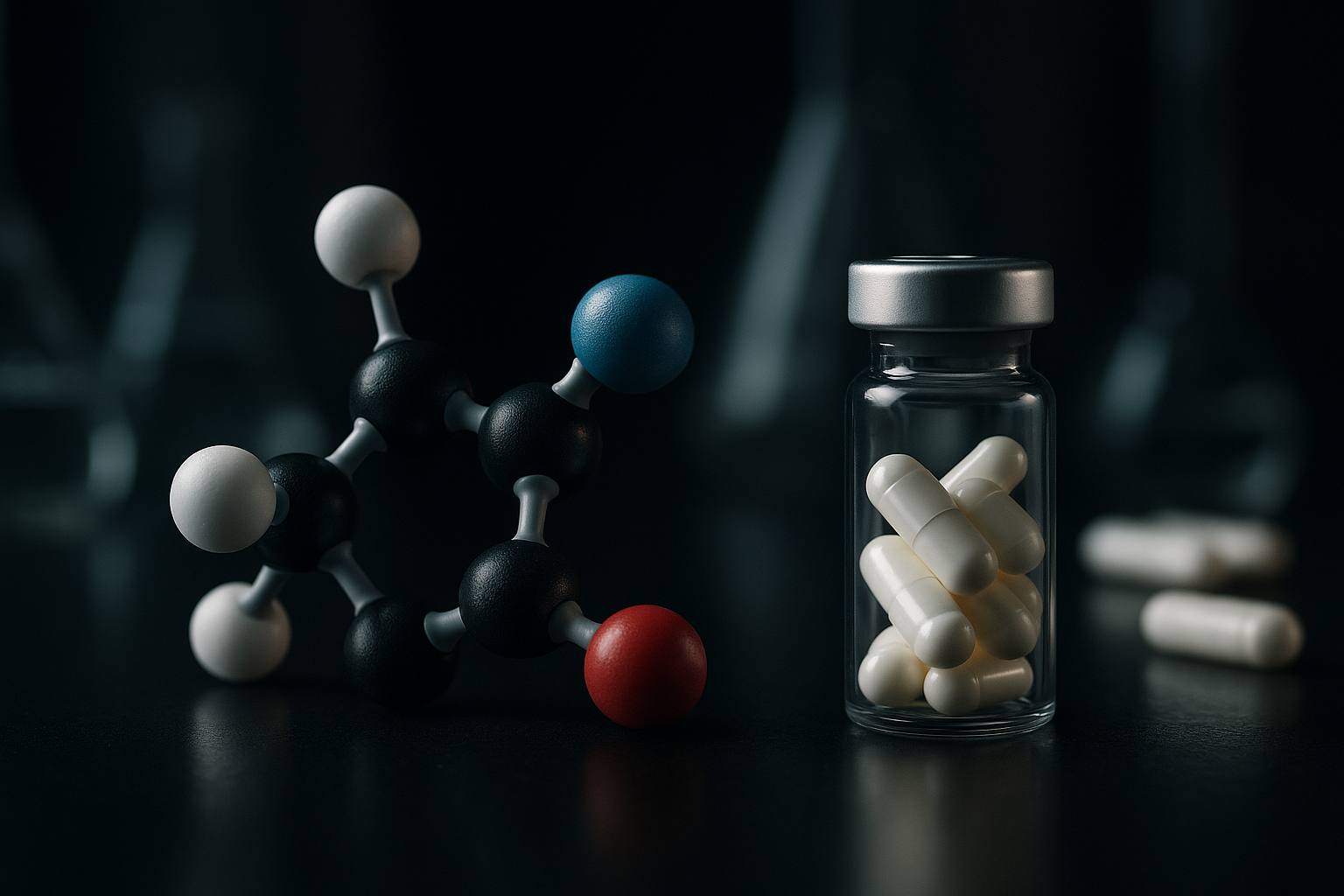
Glutamine
Glutamine is the most abundant free amino acid in plasma and skeletal muscle. Under conditions of physiological stress (intense exercise, trauma, infections, energy restriction), demand may increase, making it “conditionally essential.” In sports, it is often proposed for recovery, immunity, and gut health; however, in healthy athletes, the direct performance benefits are generally small or inconsistent compared with other nutritional interventions.
Conditionally essential amino acid: role in nitrogen metabolism, gut health, and immunity; variable evidence for performance
Glutamine is the most abundant free amino acid in plasma and skeletal muscle. Under conditions of physiological stress (intense exercise, trauma, infections, energy restriction), demand may increase, making it “conditionally essential.” In sports, it is often promoted for recovery, immunity, and gut health; however, in healthy athletes, the direct performance benefits are generally small or inconsistent compared with other nutritional interventions.
Mechanism of action
1) Nitrogen metabolism and ammonia: it transports nitrogen in a non-toxic form and may contribute to ammonia handling through glutamate/glutamine conversions (glutamine synthetase) and renal utilization. 2) Energy and trophic substrate for the gut: enterocytes oxidize glutamine as a fuel, supporting cellular turnover and potentially barrier function (tight junctions) under stress conditions. 3) Immune support: lymphocytes and macrophages use glutamine for energy and biosynthesis (nucleotides), with possible effects on proliferation and immune response when levels are reduced. 4) Osmoregulation and cell volume: intracellular glutamine may influence cellular hydration, a signal associated with anabolic/catabolic pathways; the practical relevance in sport is uncertain. 5) Precursor of glutathione: it contributes indirectly to glutathione synthesis (via glutamate), with potential implications for redox balance, especially under conditions of high oxidative stress.
Supported benefits
- Reduction in the incidence or duration of symptoms from upper respiratory tract infections after prolonged/intense exercise (in some endurance studies) (limited)
- Support of intestinal barrier function and reduction of permeability markers under stress conditions (prolonged exercise, heat, intestinal hypoperfusion), with variable results (emerging)
- Direct improvement in performance (strength, power, VO2max, time trial) in healthy athletes (limited)
- Reduction in muscle soreness (DOMS) and post-exercise muscle damage markers in some protocols (emerging)
- Support of nitrogen balance and lean mass in catabolic/clinical contexts (not specifically sports-related) (moderate)
Safety & side effects
- Gastrointestinal disturbances (nausea, cramps, bloating, diarrhea), more likely with high doses or single administrations
- Headache or a feeling of restlessness occasionally reported
- Possible increase in blood urea nitrogen/urea in predisposed individuals (of greater relevance in the presence of renal impairment)
FAQ
Does glutamine increase muscle mass or strength?
In healthy individuals with adequate protein intake, studies generally show small or inconsistent effects on strength and hypertrophy. Glutamine’s main impact is more related to gut health/immunity under stress conditions than to a direct anabolic effect.
Is it useful for recovery and DOMS?
Some studies report reductions in soreness or muscle damage markers, but the evidence is heterogeneous and does not always translate into measurable performance improvements.
Can it help with gastrointestinal problems during endurance exercise?
There is biological rationale (substrate for enterocytes and possible barrier support) and some data on permeability markers; however, results are not consistent, and strategies with stronger evidence include carbohydrate management, hydration, heat acclimation, and gut training.
What is the difference between glutamine and BCAAs/EAAs?
EAAs (particularly leucine) are directly involved in muscle protein synthesis. Glutamine is important for nitrogen transport and intestinal/immune metabolism, but it is not a primary trigger of protein synthesis like EAAs are.
Are there risks if I take it at high doses?
The most common risk is poor gastrointestinal tolerance. In people with kidney/liver problems or alterations in ammonia metabolism, supplementation may be problematic and should be avoided or managed by a qualified healthcare professional.
The information provided is for informational and educational purposes only. It does not constitute medical advice. Use should be evaluated and authorized by a qualified healthcare professional.
Mechanism of action
1) Nitrogen metabolism and ammonia: it transports nitrogen in a non-toxic form and can contribute to ammonia management through glutamate/glutamine conversions (glutamine synthetase) and renal utilization. 2) Energy and trophic substrate for the intestine: enterocytes oxidize glutamine as fuel, supporting cellular turnover and potentially barrier function (tight junctions) under stress conditions. 3) Immune support: lymphocytes and macrophages use glutamine for energy and biosynthesis (nucleotides), with possible effects on proliferation and immune response when levels are reduced. 4) Osmoregulation and cell volume: intracellular glutamine can influence cellular hydration, a signal associated with anabolic/catabolic pathways; the practical relevance in sport is uncertain. 5) Precursor of glutathione: it contributes indirectly to glutathione synthesis (via glutamate), with potential implications for redox balance, especially under conditions of high oxidative stress.
Scientific benefits
Contraindications
- Kidney or liver impairment: requires professional evaluation for nitrogen metabolism and the risk of metabolite accumulation
- History of hepatic encephalopathy or hyperammonemia: caution due to ammonia metabolism
- Pregnancy and breastfeeding: safety data for high-dose supplementation are limited; caution advised
- Pediatric age: use is not appropriate without medical supervision
- Oncological conditions: glutamine is a metabolic substrate for rapidly proliferating cells; use in oncology is context-dependent and should be managed by specialists
Side effects
- Gastrointestinal disturbances (nausea, cramps, bloating, diarrhea), more likely with high doses or single-dose administration
- Headache or a feeling of restlessness occasionally reported
- Possible increase in blood urea nitrogen/urea in predisposed individuals (of greater relevance in the presence of renal impairment)
Interactions
- Chemotherapy and radiotherapy: possible complex clinical interactions (sometimes studied for mucositis/neuropathy, but not generalizable); specialist supervision required
- Drugs that affect kidney function or acid-base balance: potential impact on nitrogen metabolism and renal excretion (individual clinical relevance)
- Supplements with a high nitrogen load (e.g. large amounts of amino acids/protein): possible increase in the overall metabolic burden in vulnerable individuals
Regulatory status
Dietary supplement legally marketed in many jurisdictions (EU/USA) as an amino acid. It is not on the WADA list of prohibited substances. Health claims are regulated and often limited; any claims depend on local regulations.
Supplements and peptides
 Performance
Acetyl l-carnitine
Acetyl-L-carnitine (ALCAR) is a form of carnitine in which an acetyl group facilitates entry into tissues and the…
 Performance
Anhydrous betaine (trimethylglycine)
Anhydrous betaine (TMG) is a compound naturally present in various foods (e.g. beetroot, spinach, cereals) and also…
 Performance
Arginine akg
Arginine AKG (AAKG) combines L-arginine with α-ketoglutarate (AKG), an intermediate in the Krebs cycle. It is marketed…