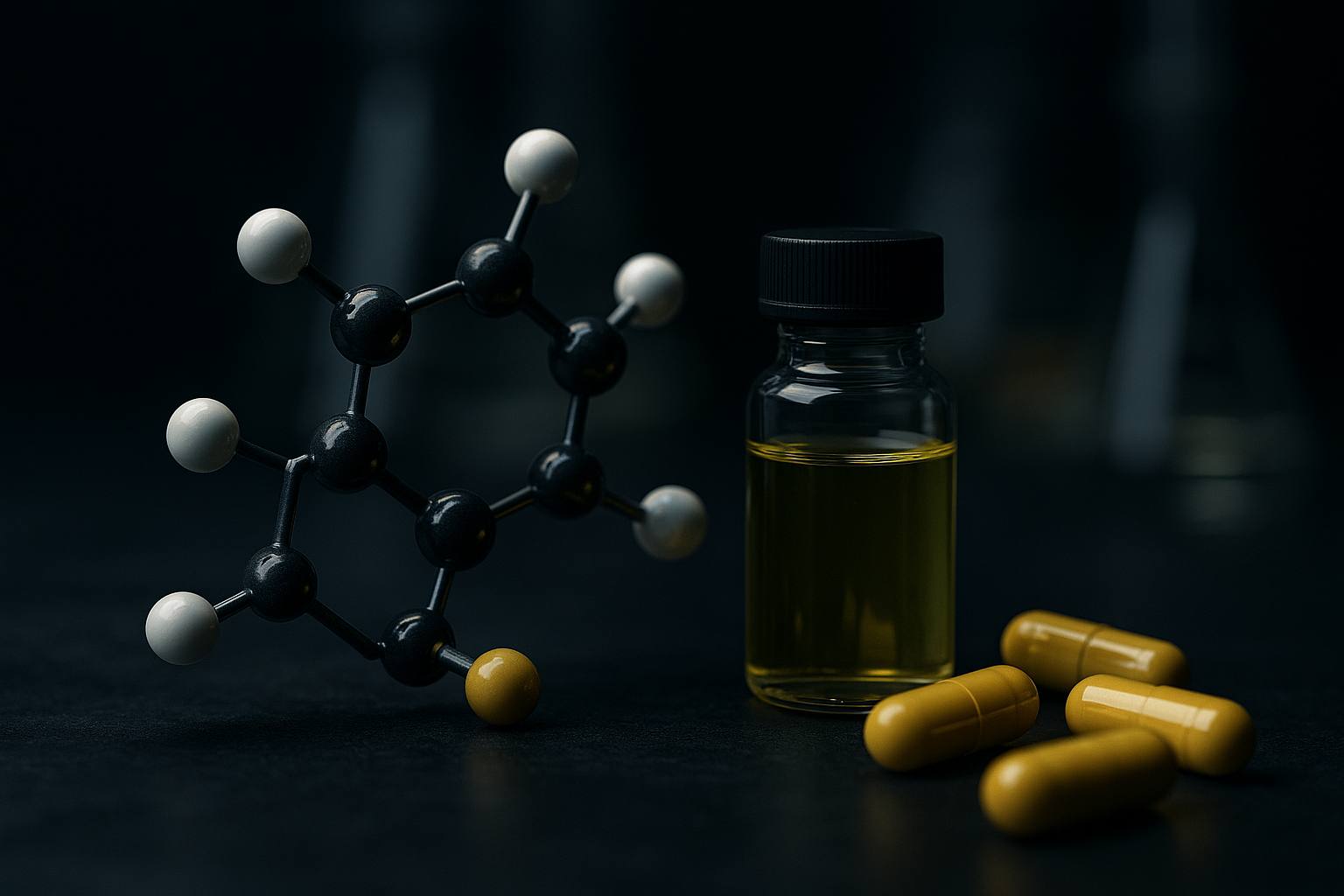
Berberine
Berberine is a plant alkaloid found in various plants (e.g. Berberis spp.) and traditionally used in the gastrointestinal field. In modern research it is mainly studied for its effects on blood glucose, lipids, and insulin sensitivity, with mechanisms involving AMPK, hepatic metabolism, and modulation of the microbiota. Clinical evidence is stronger for cardiometabolic parameters than for “hard” longevity outcomes.
An isoquinoline phytocompound studied for glucose-lipid metabolism and cardiometabolic markers (longevity domain)
Berberine is a plant alkaloid found in several plants (e.g. Berberis spp.) and traditionally used in the gastrointestinal field. In modern research it is primarily studied for its effects on blood glucose, lipids, and insulin sensitivity, with mechanisms involving AMPK, hepatic metabolism, and modulation of the microbiota. Clinical evidence is stronger for cardiometabolic parameters than for “hard” longevity outcomes.
Mechanism of action
Proposed mechanisms (multifactorial): (1) Activation of AMPK (adenosine monophosphate-activated protein kinase), with effects on glucose uptake, fatty acid oxidation, and reduced lipogenesis; (2) Reduction of hepatic gluconeogenesis and improvement of insulin sensitivity; (3) Modulation of lipid metabolism with a possible increase in the expression/activity of the LDL receptor (LDLR) and reduction of PCSK9 in some experimental contexts, contributing to decreased LDL-C; (4) Effects on the gut microbiota and microbial metabolites (e.g. bile acids), with potential downstream effects on metabolism and inflammation; (5) Indirect anti-inflammatory and antioxidant actions (reduction of pro-inflammatory signals), observed mainly in preclinical models. The clinical relevance of individual mechanisms may vary depending on dose, formulation, and the subject’s metabolic status.
Supported benefits
- Improved glycemic control (reduction in fasting glucose and HbA1c) in subjects with type 2 diabetes or insulin resistance (strong)
- Improvement in lipid profile (reduction in LDL-C and triglycerides; sometimes an increase in HDL-C) in populations with dyslipidemia/altered metabolism (moderate)
- Reduction in some cardiometabolic markers associated with metabolic syndrome (e.g. waist circumference, HOMA-IR in some studies) (moderate)
- Support in NAFLD/MASLD (metabolic fatty liver disease) on liver enzymes and steatosis in some trials (limited)
- Effects on low-grade inflammation (e.g. CRP) and oxidative stress: heterogeneous results (limited)
- Modulation of the gut microbiota with potential metabolic effects (evidence mainly mechanistic and preclinical) (emerging)
Safety & side effects
- Gastrointestinal disturbances: diarrhea, constipation, abdominal cramps, nausea, bloating/flatulence (the most common).
- Headache or a feeling of fatigue in some subjects (less common).
- Possible hypoglycemia, especially when combined with medications or in subjects with reduced caloric intake.
- Rare cases of altered liver enzymes have been reported in the literature; causality may be difficult to establish.
FAQ
Is berberine “like metformin”?
It shares some metabolic effects (e.g. involvement of AMPK and reduction of glycemic parameters), but it is not the same molecule, it does not have the same evidence profile for clinical outcomes, and it may have different interactions. Therapeutic equivalence has not been demonstrated.
Is it useful even if blood glucose is normal?
Most documented benefits concern subjects with metabolic alterations (insulin resistance, type 2 diabetes, dyslipidemia). In normoglycemic individuals the effect may be smaller, and the benefit/risk ratio depends on the individual context.
How long does it take to see effects on HbA1c and lipids?
HbA1c reflects on average 8–12 weeks of glycemic control; many studies evaluate berberine precisely within this interval. For lipids, changes may emerge within a few weeks, but variability is high.
Why does it often cause intestinal disturbances?
Low bioavailability means that a significant portion of the substance remains in the intestinal lumen, where it can influence motility, secretions, and the microbiota. Tolerability is often dose-dependent and improves with divided doses and intake with meals (approaches used in studies).
Is there direct evidence that it increases longevity in humans?
No. The “longevity” interest is indirect: improving cardiometabolic risk factors may reduce the risk of chronic disease. However, there is no solid clinical evidence that berberine increases lifespan in humans.
The information provided is for informational and educational purposes only. It does not constitute medical advice. Use must be evaluated and authorized by a qualified healthcare professional.
Mechanism of action
Proposed mechanisms (multifactorial): (1) Activation of AMPK (adenosine monophosphate-activated protein kinase), with effects on glucose uptake, fatty acid oxidation, and reduction of lipogenesis; (2) Reduction of hepatic gluconeogenesis and improvement of insulin sensitivity; (3) Modulation of lipid metabolism with possible increase in the expression/activity of the LDL receptor (LDLR) and reduction of PCSK9 in some experimental contexts, contributing to the decrease in LDL-C; (4) Effects on the gut microbiota and microbial metabolites (e.g. bile acids), with potential implications for metabolism and inflammation; (5) Indirect anti-inflammatory and antioxidant actions (reduction of pro-inflammatory signals), observed mainly in preclinical models. The clinical relevance of the individual mechanisms may vary depending on dose, formulation, and the subject’s metabolic status.
Scientific benefits
Contraindications
- Pregnancy and breastfeeding: generally not recommended due to potential risks (including possible interference with bilirubin in the newborn).
- Newborns and young children: avoid due to the theoretical risk of jaundice/kernicterus related to bilirubin (historical precaution for compounds that interfere with albumin binding).
- Hypoglycemia or unstable glucose-lowering therapy: increased risk of drops in blood glucose.
- Significant liver or kidney disease: use caution and only with professional evaluation due to possible alteration of metabolism/elimination and risk of adverse events.
Side effects
- Gastrointestinal disturbances: diarrhea, constipation, abdominal cramps, nausea, bloating (the most common).
- Headache or feeling of fatigue in some individuals (less frequent).
- Possible hypoglycemia especially in combination with medications or in subjects with reduced caloric intake.
- Rare cases of altered liver enzymes reported in the literature; causality may be difficult to establish.
Interactions
- Antidiabetic drugs (e.g. metformin, sulfonylureas, insulin, GLP-1 RA, SGLT2i): possible additive effect on blood glucose with risk of hypoglycemia (variable by class and context).
- Anticoagulants/antiplatelets: limited data; caution due to possible pharmacodynamic interactions or interactions via metabolism/transport.
- Cyclosporine/tacrolimus and other drugs with a narrow therapeutic window: potential interaction via transporters (e.g. P-gp) and/or enzymes; caution is required.
- Drugs metabolized by CYP and transporters: berberine may modulate some pathways (mixed evidence and model-dependent); caution with complex chronic therapies.
- Antibiotics or interventions that alter the microbiota: they could modify the response to berberine (plausible hypothesis, limited clinical evidence).
Regulatory status
In many jurisdictions it is marketed as a dietary supplement; it is not approved as a drug for the treatment of diabetes or dyslipidemia in most Western countries. The health claims allowed on the label are subject to local regulations and often do not include therapeutic claims.
Supplements and peptides
 Longevity
Apigenin
Apigenin (4′,5,7-trihydroxyflavone) is a flavone found in various food and medicinal plants. In human biology, it is…
 Longevity
Astaxanthin
Astaxanthin is a carotenoid from the xanthophyll family (a red-orange pigment) produced mainly by microalgae (e.g.…
 Longevity
Curcumin
Curcumin is the main curcuminoid of turmeric (Curcuma longa). It is widely studied for anti-inflammatory and…